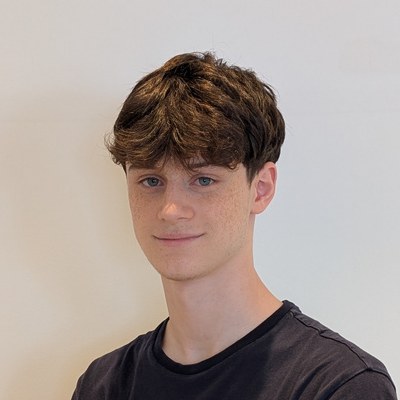
Lorenzo Puricelli
I'm 17. I've been building software since I was 5.
It started with Minecraft and the first bots I wrote to play it better. I never stopped writing code after that, and everything I've done since taught me something I still carry.
At 12 I founded an esports team. It was fun and it had no business model: it died. First lesson: technology without a model to hold it up dies. Then I fixed the website and the ads for my mother's business, and that was the first time code I wrote generated revenue. The feeling never left me.
Then I founded EstateIcons, a real-estate SaaS for the US market. I crashed: no money, against funded competitors, on their home turf. Second lesson: you don't fight a funded incumbent on its own ground. It's the most expensive lesson I've paid for, and the one that decides almost every call I make today.
After that I changed method: listen first, build second. Before writing a single line of what I do now, I ran 200 calls with accounting firms, letting them walk me through their days.
Optlyx, briefly
Those calls turned into Optlyx, which I founded and where I'm CEO and CTO. We build two things: Prisma, which runs all the work around accounting (documents, signatures, deadlines, collections, anti-money-laundering) and is already in production at firms; and Clerk, which does the bookkeeping and verifies it inside the software the firm already uses. Clerk is in private beta.
I do product and I write the code, but also everything else: I go sell in person, write the contracts, handle GDPR and the AI Act. The product detail all lives on optlyx.com. This site is about something else.
How I work
- I listen before I build. The 200 calls weren't market research: they were how I avoided building one more thing nobody asked for.
- I sell what I write. I'm in sales calls and in the code on the same day. If something can't be explained to a firm in two minutes, it's usually because it's wrong.
- I don't attack anyone head-on. If someone is bigger and better funded, I pick the ground. I learned that by losing.
- I'd rather have a system that stops than one that guesses. Where someone else's money and liability are involved, "I don't know" is a legitimate answer; almost-right isn't.
- I'm self-taught on all the technical side, and I treat that as an advantage: I learn what I need exactly when I need it.
How I learned
On YouTube. That's not a joke and it isn't a fallback: most of what I can do I learned there. Programming, systems architecture, cloud, security, finance, sales. There are whole university courses on it, conference talks, brilliant people explaining their craft for free, and company post-mortems told by the people who were there.
It beats school on three things. It's current: when a new tool ships, the explanation arrives in weeks, not in next year's syllabus. It's on demand: you study the exact thing you need at the moment you need it, and what you learn that way sticks. And it's permissionless: you don't need the right age, the right credential or the right money to reach someone who knows more than you.
The flaw is that nobody tells you what order to watch things in, and you have to build that yourself, usually by getting it wrong. But that's a very low price. If you're fifteen with a connection, you can genuinely learn anything today.
Advancements
Everything I know how to do, I got by doing the previous thing badly first.
- Taking Inventory age 5 Minecraft, and the first bots I wrote to play it better. I never stopped after that.
- The Lie age 12 An esports team, founded with no business model. It was fun and it died.
- Getting an Upgrade first money The website and the ads for my mother's business. The first time code I wrote generated revenue.
- Into Fire EstateIcons A real-estate SaaS for the US market. No money, against funded competitors, on their home turf.
- What a Deal! 200 calls Before writing a single line of what I do now, I let accounting firms walk me through their days.
- Adventuring Time Optlyx Prisma, in production at real firms. Clerk, in private beta. Still the same loop: listen, then build.
Projects
- 2025 Optlyx Founded by me. Prisma and Clerk, for accounting firms.
- EstateIcons Real-estate SaaS for the US market. Shut down. The lesson is in the résumé.
Writing
Notes on what I build and what I get wrong: the blog.
Reading
Books that changed how I think, not the ones that look good on a list.
- Sergio Marchionne, Tommaso Ebhardt An outsider with no pedigree who turned a company around by looking at the numbers as they were, not as he wished they were. What stayed with me isn't the charisma: it's the refusal to tell himself stories.
- Thinking, Fast and Slow, Daniel Kahneman It took away my trust in my own first answer. It's also why I design systems that stop instead of guessing: if we get it wrong this easily, so will a machine trained on us.
- The Emperor of All Maladies, Siddhartha Mukherjee Two thousand years of people attacking the same problem and each moving it a little. It taught me patience: real progress is slow and collective, and the people making it hardly ever notice.
Talks
- Nothing public yet.
Odds and ends
- I get a year older every 27 September, in case anyone feels like sending wishes.
- I write everything in the ugliest possible first draft and fix it afterwards. It's the only way I've found to actually start.
- This site is hand-written HTML. No framework, no generator, no build step. It took less time than choosing one would have.
Contact
Write to me: I like hearing from people who build things.